
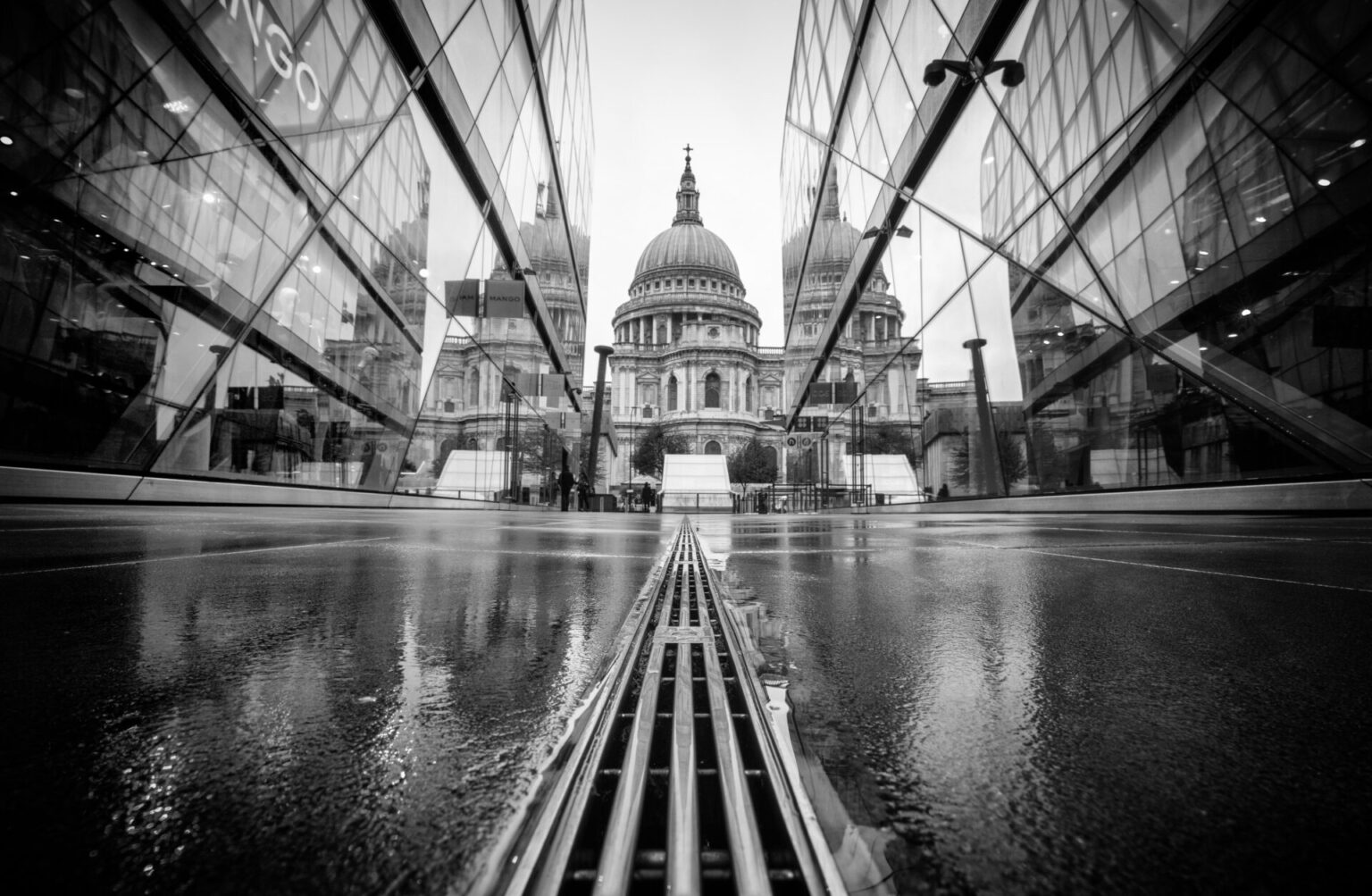
Reflections offer enormous creative potential. In the countryside, reflections in water provide foreground interest and add a sense of tranquillity and balance to a composition. In still weather, scenes are reflected in perfect symmetry, while the slightest breeze ruffles the surface of the water to create an ever-changing kaleidoscope of abstract patterns and colours.
Head for the big city and you have more options. Modern architecture reflects clouds drifting across the sky and mirrors other buildings across the street. Puddles pick up reflections of anything nearby, as do parked cars and shop windows. You could spend the whole day shooting reflections in the urban landscape on both a large and small scale and only ever scratch the surface.
Instead of making the reflection part of the picture, make it the picture. Use your lenses and your feet to close in and fill the frame so all extraneous information is excluded. Forget about reality and look at the reflection for what it is: an arrangement of shapes and tones. Let them take centre stage instead of being a prop in a bigger picture.
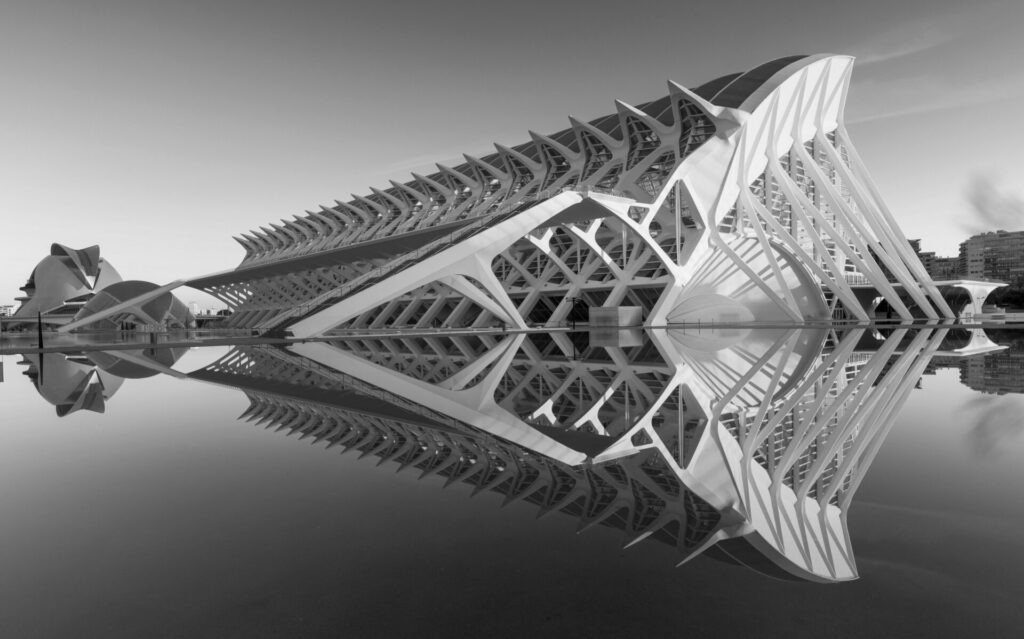
Mirror, mirror
If you’re out shooting landscapes in calm weather, check your map and head for a lake or loch where you can capture the surrounding scenery reflecting in its mirror-like surface. Calm weather creates the best conditions and you need to keep the sun behind or to the side of the camera so the reflected scene is well lit. Use a 0.3 ND or 0.45 ND grad to balance the reflection with the scene and a wideangle lens to create a dramatic perspective. Place the horizon across the centre of the frame for a balanced composition or tilt the camera down to make a feature of the reflection.

Puddle potential
After heavy rain, puddles can be a great source of reflections, so don’t forget to check what’s happening at your feet. Pay particular attention to puddles near buildings or parked vehicles. Streetlights at night also look great reflected in puddles, so don’t limit your activities solely to the daylight hours. Include the whole puddle if you want to show the reflection in context or zoom in to fill the frame with patterns.
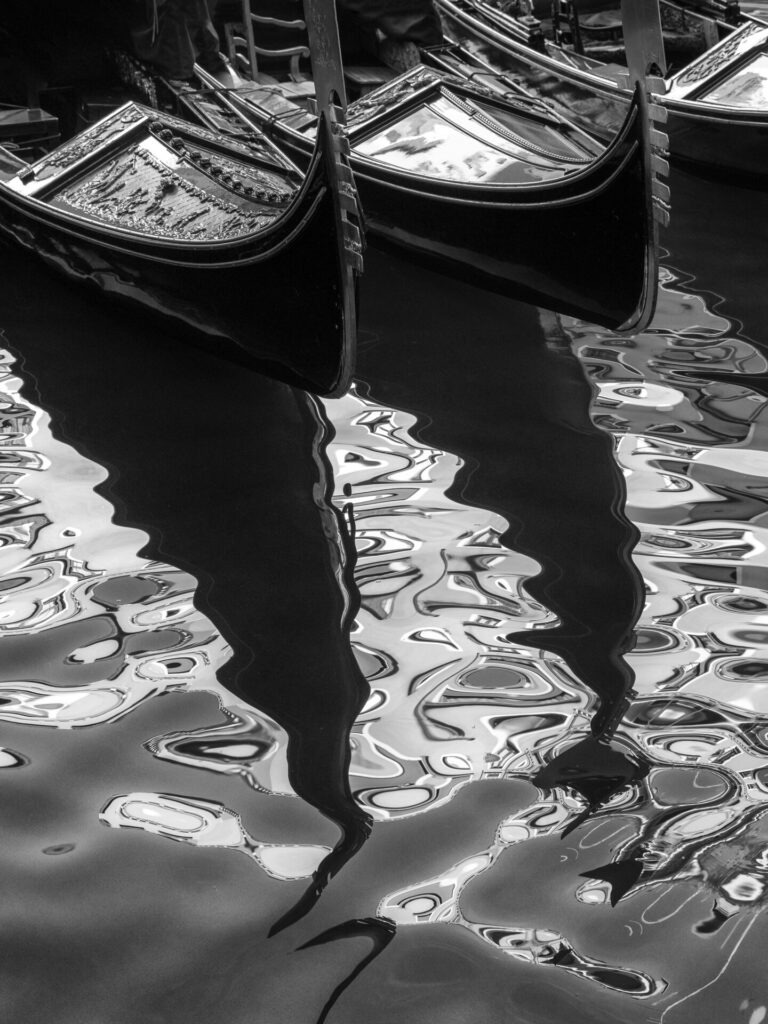
Polariser power
One of the benefits of using a polarising filter is that you can eliminate reflections in non-metallic surfaces if you get the angle between the lens axis and reflective surface right (about 30°). However, if you’re careful you can also enhance a reflection with your polariser by getting rid of some of the glare on the reflective surface, especially water. All you do is rotate the polariser carefully while looking through your camera’s viewfinder, and when you’re happy with the effect, stop rotating and shoot.
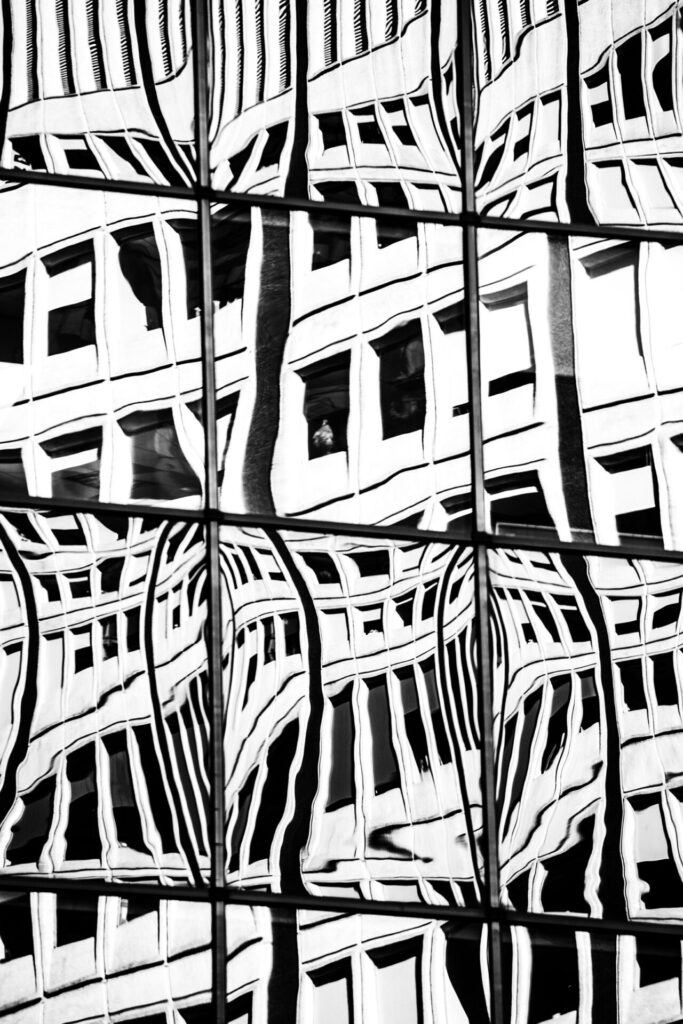
Urban artistry
Modern architecture is an ideal source of reflection shots thanks to the reflective materials used in its construction. Office blocks are particularly good because you literally have walls of windows that pick up reflections of other buildings across the street. Use a telezoom lens to fill the frame with those reflections.
Depending on the angle you shoot from, the reflections will either appear realistic or as totally random abstract patterns. Both can work well. If you include the framework of the building, also try straightening the vertical lines in Photoshop to add symmetry and frame the reflections. To do this, go to Select>All then Edit>Transform>Distort and pull the corners of the image out until the verticals are vertical and the horizontals are horizontal.
See more of Lee’s tips for photographing reflections in B+W 318.